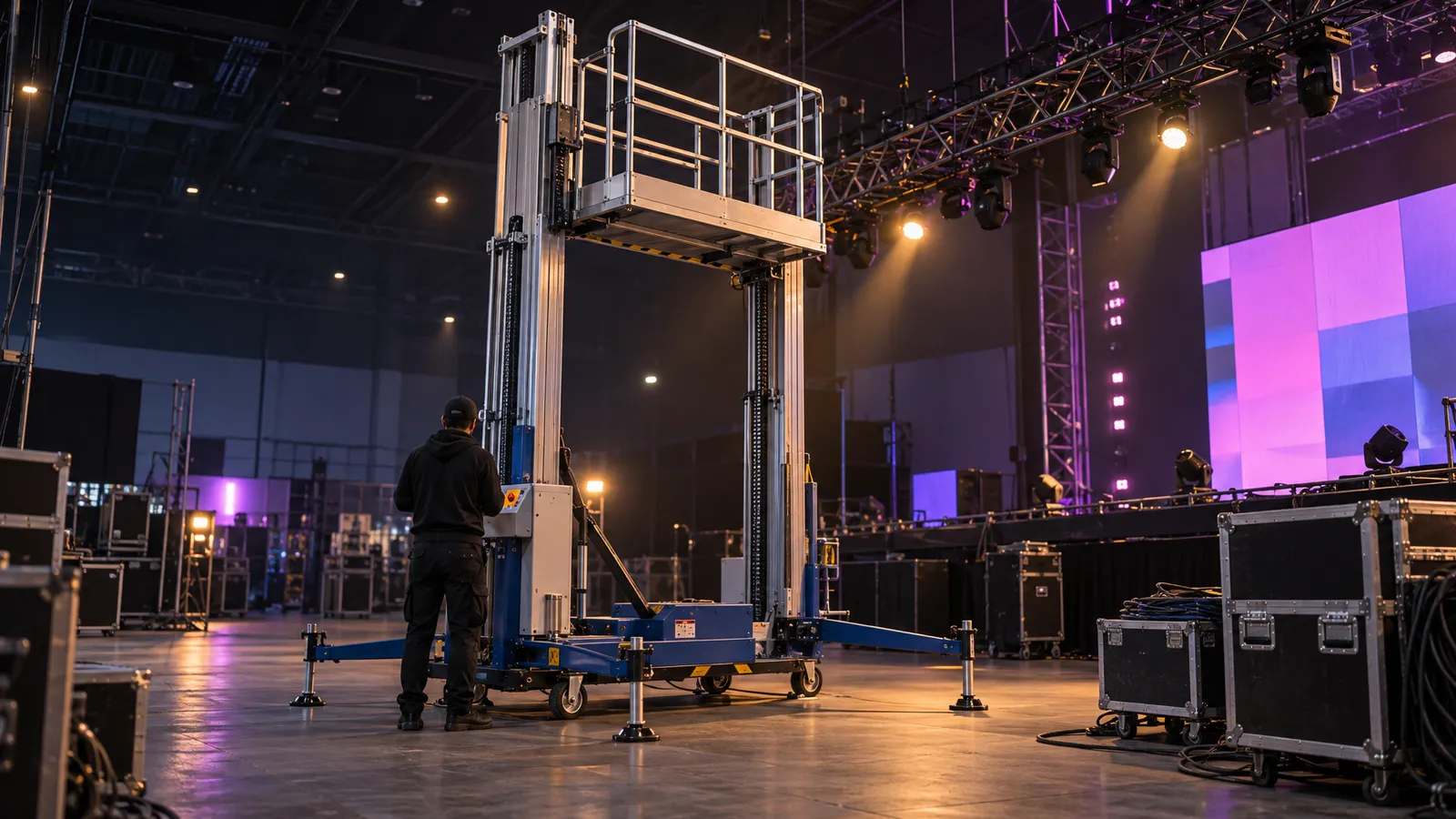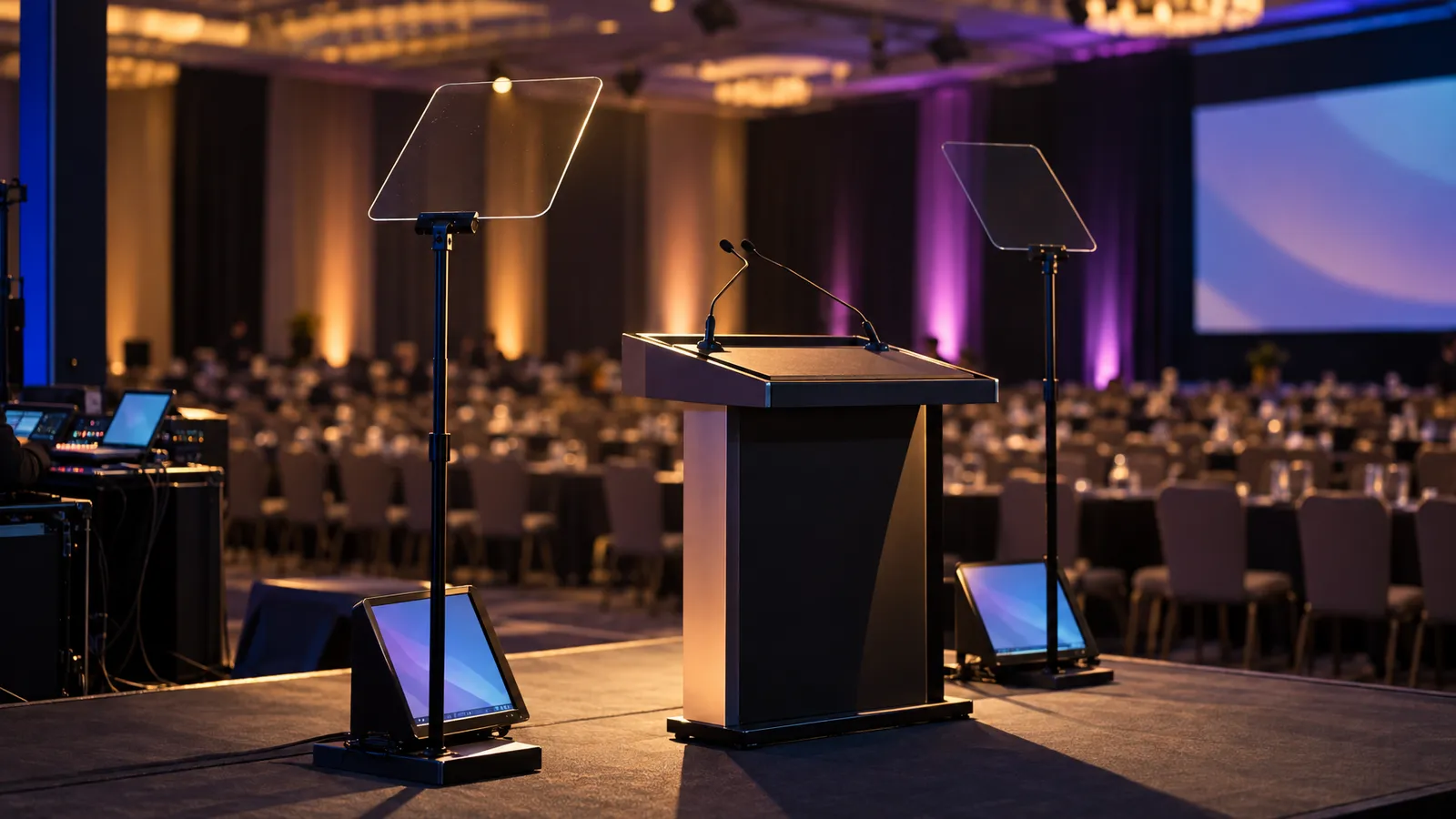
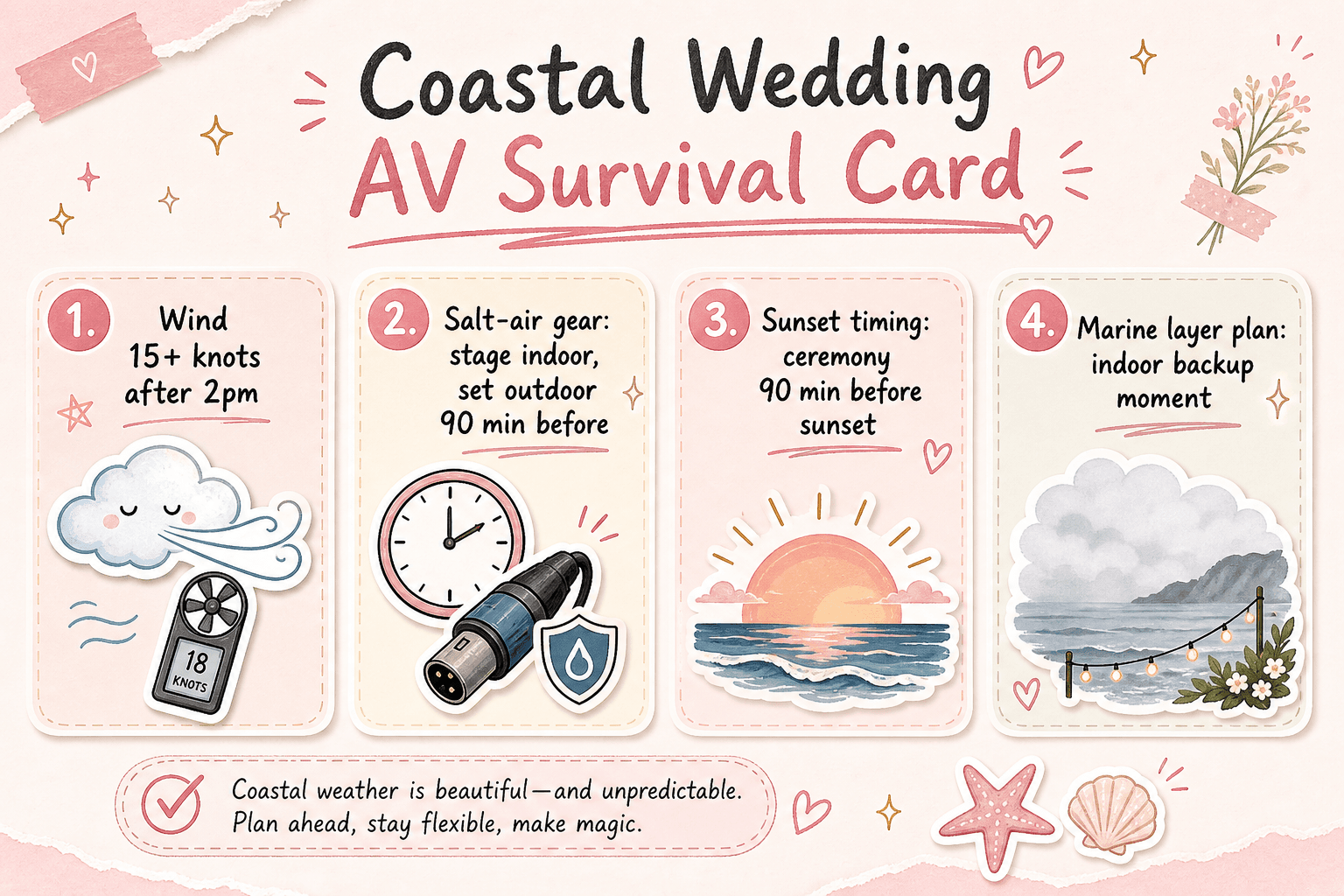
A Half Moon Bay wedding puts sound and lighting outdoors next to the Pacific, and that changes the plan in four ways: wind at the microphones, salt air on exposed connectors, marine fog that can hide the sunset, and beach rules that decide where equipment may go at all. None of these can be predicted weeks ahead for a given afternoon, so the useful work is building an AV plan that still works when the weather does not cooperate.
Whether the ceremony is on a hotel lawn, a bluff-top site or near a beach, the same questions come up. This guide walks through them in order and ends with a weather-call protocol you can agree with whoever runs your AV.
What the coast does to an outdoor plan
Summer fog and an afternoon sea breeze are the pattern to plan around. The National Weather Service's climate summary for nearby San Francisco describes summers "characterized by cool marine air and persistent coastal stratus and fog", with mornings that typically start overcast and clear only partially on the ocean side, and "a strong afternoon and evening seabreeze" driven by the temperature difference between the Pacific and the interior valleys. The same summary notes that spring and fall "usually produce the most cloud-free days" between summer stratus and winter rain. Half Moon Bay is a different stretch of coast, so treat this as background, not a forecast: check the NWS forecast for your date and site as the day approaches, and plan for fog and wind whatever the month.
Salt air is a maintenance issue. Microphones, cable connectors and lighting fixtures that sit exposed to sea air need cleaning and care afterward. How long gear can safely stay out depends on the equipment, the weather that day and what shelter the venue offers, so make it a decision with your AV provider rather than a fixed rule, and follow each manufacturer's care instructions.
Sunset is on the ocean side, and so is the weather. The view that makes a coastal ceremony is also the direction the fog and wind arrive from. Plan the lighting so the ceremony still looks right if the sun never shows.

Wind and ceremony sound
Wind causes two separate problems. The first is noise at the microphone: moving air across a capsule produces low-frequency rumble that can drown out an officiant's voice. The second is the listening side: guests on an open lawn hear the speakers against the noise of wind and surf, and how well speech carries depends on where the speakers stand, how they are aimed and what system is used. There is no single wind speed at which a ceremony "fails", which is why the fixes below are site checks, not formulas.
Microphone windscreens. Ask for a windscreen made for the specific microphone and use it outdoors. Then test it: have someone speak into the officiant's mic on the actual ceremony spot, at roughly the ceremony time of day if possible, and listen through the system for rumble. Keep a spare mic and windscreen ready.
Speaker choice and placement. Which loudspeakers to use, how many, how high and at what angle is a design decision for a qualified provider after they have seen the site and know the guest count. Share the layout, the guest count and whether the aisle runs toward the ocean, so the design accounts for the actual space.
Wireless frequencies. Wireless microphones share the air with other transmitters, and conditions vary by location. Have your provider scan at load-in and set each wireless system to a clear frequency within the range that equipment is legally allowed to use, rather than assuming any site is free of interference. A wired backup mic or a battery-powered backup speaker is a sensible fallback for the vows.
Salt air and load-in timing
Setup timing on the coast is a balance: gear set early is gear that sits in wind, fog and salt air longer, but gear set too late leaves no time for a soundcheck. Decide it with the venue and your AV provider based on the forecast, the equipment and whether there is covered space.
Ask about covered staging. Mixers, wireless receivers and control gear can often wait in a prep room or under a tent while speakers, mics and uplights go out for the soundcheck. Ask the venue what covered space you can use.
Choose weather-rated fixtures for the lawn. Some wireless battery uplights in the catalog are IP65-rated models with 12–15 hour batteries and wireless DMX, which avoids running power across a lawn. Check each fixture's weather rating with us before placing it outdoors.
Plan the clean-down. Agree beforehand who cleans the equipment after a coastal event and how. If you are renting, ask the rental company what care they expect after outdoor use and follow the manufacturer's instructions for each item.
Sunset and ceremony lighting
Look up the sunset time for your exact date, then walk the ceremony spot at that time of day, or ask your photographer, to see where the light falls relative to the aisle. Photographers often like a ceremony timed so portraits can follow in the last warm light; talk that through with them.
Plan for the evening when the sun does not appear. A soft front key light on the officiant and couple, brought up gradually as daylight fades, keeps faces visible for guests and cameras whether the sky is clear or gray. Catalog options include the COB Front Light ($35/day) and the LED Tri-Color Panel ($25/day). If the reception moves indoors, the lighting plan should move with it.
Questions to ask a coastal venue
Every coastal venue has its own spaces and rules, so collect the answers directly from the events team of the venue you are considering:
- Which outdoor spaces can host the ceremony, and what is the indoor or covered backup if the weather turns?
- Where is power available near the ceremony spot, and is it shared with other uses?
- Are outside AV vendors allowed, and is there a preferred-vendor list or insurance requirement?
- Is there covered space for staging equipment before the ceremony?
- Are there sound-level limits or an amplified-music cutoff time, indoors and out?
- Do the venue's own permits cover your layout, or is anything you plan outside what they cover?
Beaches, plovers and permits
Half Moon Bay State Beach. California State Parks states that "PERMITS are required for all events and weddings" at Half Moon Bay State Beach and that "a photography permit is required for all commercial photography"; permit inquiries go to SMPermits@parks.ca.gov or (650) 726-8819. The same page says drones "are not allowed in the park", which rules out drone footage anywhere in the park, not only over the dunes.
Western snowy plovers. California State Parks lists the western snowy plover as federally threatened, gives its nesting season as mid-March through mid-September, and fences plover nesting areas along the bluffs at Francis State Beach. Stay outside every closure and use only the location the park approves in your permit.
Which agency to ask. Who issues permits depends on the exact parcel: a state beach is State Parks land, while other sites may fall under the City of Half Moon Bay, San Mateo County or the California Coastal Commission. For unincorporated coastal areas, San Mateo County Planning directs applicants to its Current Planning Section "to identify the required permits and reviews for your project." Ask the managing agency for your exact location before planning any equipment on a beach, and leave time for its answer.
What we rent for the coast, and a weather-call protocol
Catalog gear that suits a coastal ceremony:
- Wireless Battery Uplights — including IP65 models with 12–15 hour batteries and wireless DMX, so no power runs across the lawn.
- Commercial PA Speakers ($200/day) for ceremony and reception sound.
- COB Front Light ($35/day) or LED Tri-Color Panel ($25/day) as ceremony key light as daylight fades.
Delivery, setup and technicians are scoped and quoted to your event. A protocol worth agreeing with whoever runs your AV:
- About a week out: Check the NWS forecast, confirm the load-in window with the venue, and share the sunset time and ceremony start with your photographer.
- A couple of days out: Re-check the forecast and agree the weather call: what moves under cover, what gets scaled back, and when the indoor backup is triggered.
- Day-of, before guests arrive: Outdoor speakers and mics placed, wireless scan, soundcheck with windscreens on.
- Just before the ceremony: Officiant mic dressed with its windscreen, backup mic or speaker ready, key light low with a fade-up ready.
- Strike: Clean and pack equipment according to the agreed care plan.
Non-coastal outdoor AV principles (sizing, power, cutoff times): outdoor wedding AV guide and the broader Bay Area wedding AV checklist. "Walking on a cloud" first-dance effects under tents: dancing on a cloud guide. Indoor first-dance cold sparks, where the venue and fire authority allow them: cold spark fountain guide.

FAQ: Half Moon Bay coastal wedding AV
How windy does Half Moon Bay get during a wedding ceremony?
It varies by day and site, so check the National Weather Service forecast for your date and location as it approaches. The NWS climate summary for nearby San Francisco describes a strong afternoon and evening sea breeze in summer. Plan microphones with windscreens, test them on the ceremony spot, and have a backup.
Will marine-layer fog ruin the sunset photos?
It might. The NWS climate summary for San Francisco describes persistent summer coastal stratus and fog, with spring and fall usually bringing more cloud-free days. Nobody can promise a clear sunset on a given evening, so plan ceremony lighting that works under gray skies and agree an indoor or covered backup with your photographer and venue.
Can we have our ceremony on Half Moon Bay State Beach?
Only with a permit. California State Parks says permits are required for all events and weddings at Half Moon Bay State Beach, drones are not allowed in the park, and plover nesting areas are fenced during the mid-March to mid-September nesting season. Contact State Parks, use the location your permit approves and stay outside all closures.
Do we need a special permit for AV at a hotel or inn?
Ask the venue's events team first whether their permits and rules cover your AV layout. For beaches or other sites outside a venue, ask the agency that manages that exact location — State Parks, the City of Half Moon Bay, San Mateo County or the Coastal Commission, depending on the parcel.
What should a coastal AV plan include that an inland one might not?
Windscreens tested on site, a backup microphone or speaker, weather-rated fixtures for anything outdoors, covered staging for control gear, lighting that works if the sun is hidden by fog, a care plan for salt air, and an agreed weather-call timeline with the venue and AV provider.
Get a quote or schedule a coastal-specific planning call
Send your venue, date and ceremony start time for a coastal AV quote, using the Request A Quote button at the top of any page or by calling (415) 890-5555. Equipment catalog: full menu or special effects. We deliver from South San Francisco to San Francisco, San Jose and the South Bay, and the wider Bay Area.