AV Rental for San Jose Events
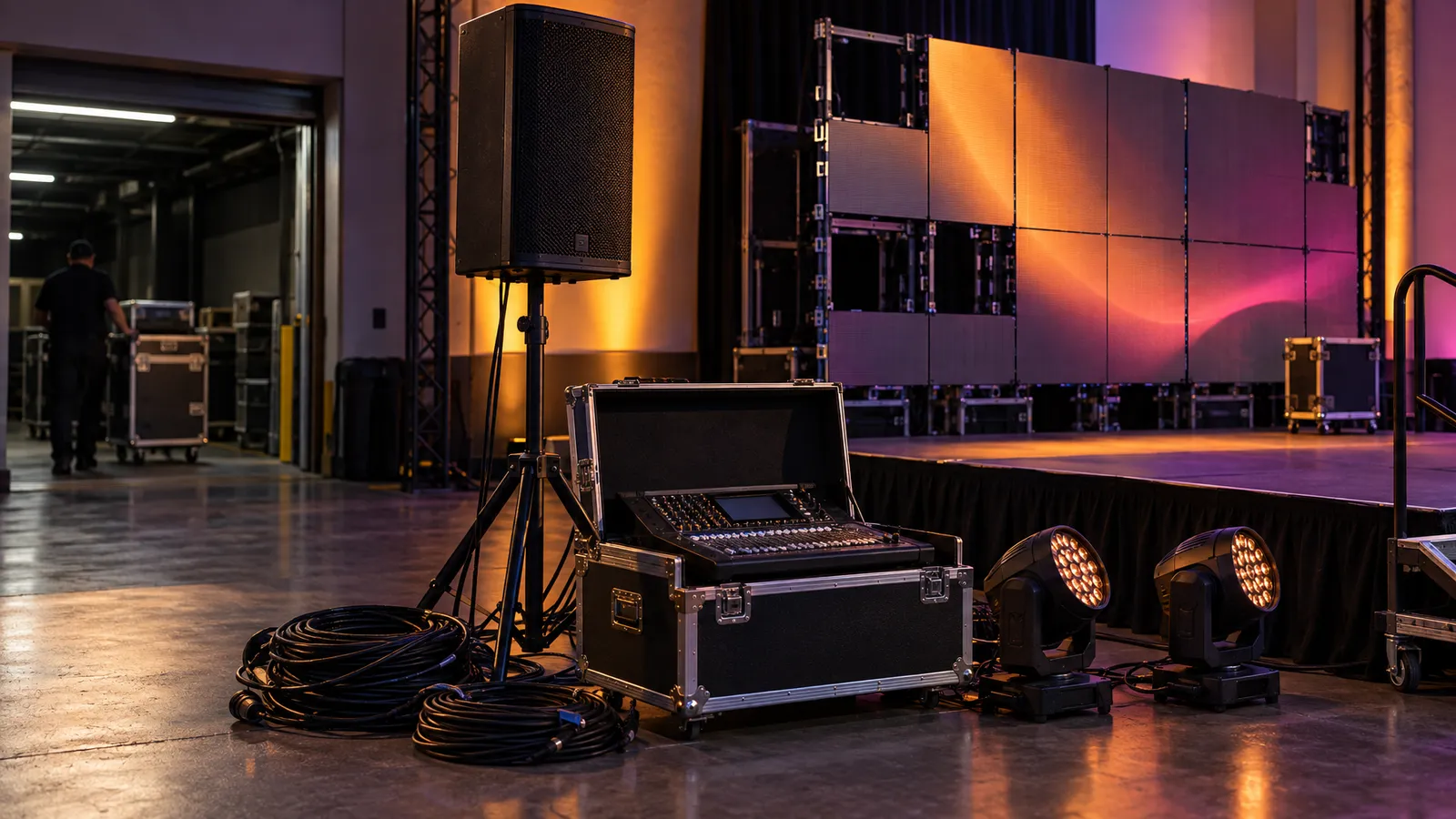
VENEGEEST rents sound, LED screens, lighting, staging and special effects for events in San Jose, Santa Clara and the rest of the South Bay, delivering from our warehouse at 436 N Canal St in South San Francisco. Same-week delivery is available across the Bay Area for most items, and you can also pick equipment up yourself. A crew for delivery, setup and live technical support is available when you want one, scoped and quoted to your event. We deliver to San Jose venues such as the San Jose Convention Center, and every quote is built from your venue, dates and run of show, so you know the price before you commit.
What You Can Rent for a South Bay Event
Whether you are planning a corporate seminar in Santa Clara, a wedding in Saratoga or a product launch in downtown San Jose, the equipment comes from the same catalog. Our equipment covers PA speakers, LED walls and TV displays, moving-head and wash lighting, staging and special effects. Per-day starting prices for individual items are published on the site:
- Sound: the Commercial PA Speaker from $200, and the Bluetooth Speaker System (one controller, six speakers and two mics) from $60, which suits a smaller reception or a room where a presenter needs a mic.
- Video: the P1.9–3.9 LED Rental Screen from $200, configurable from 12m² to 48m²; LED TV Displays at $35 (43″), $55 (65″), $75 (75″), $95 (85″) and $120 (120″); the Foldable LED Ad Screen from $200; a TV Floor Stand at $20; and a Wireless Screen Caster at $60 for casting slides from a laptop or phone.
- Lighting: the Full-Color LED Par Light from $25, the COB Front Light from $35, the LED Tri-Color Panel Light from $25, the 380W Beam Moving Head from $50 and a Followspot from $80, plus the wider stage lighting range.
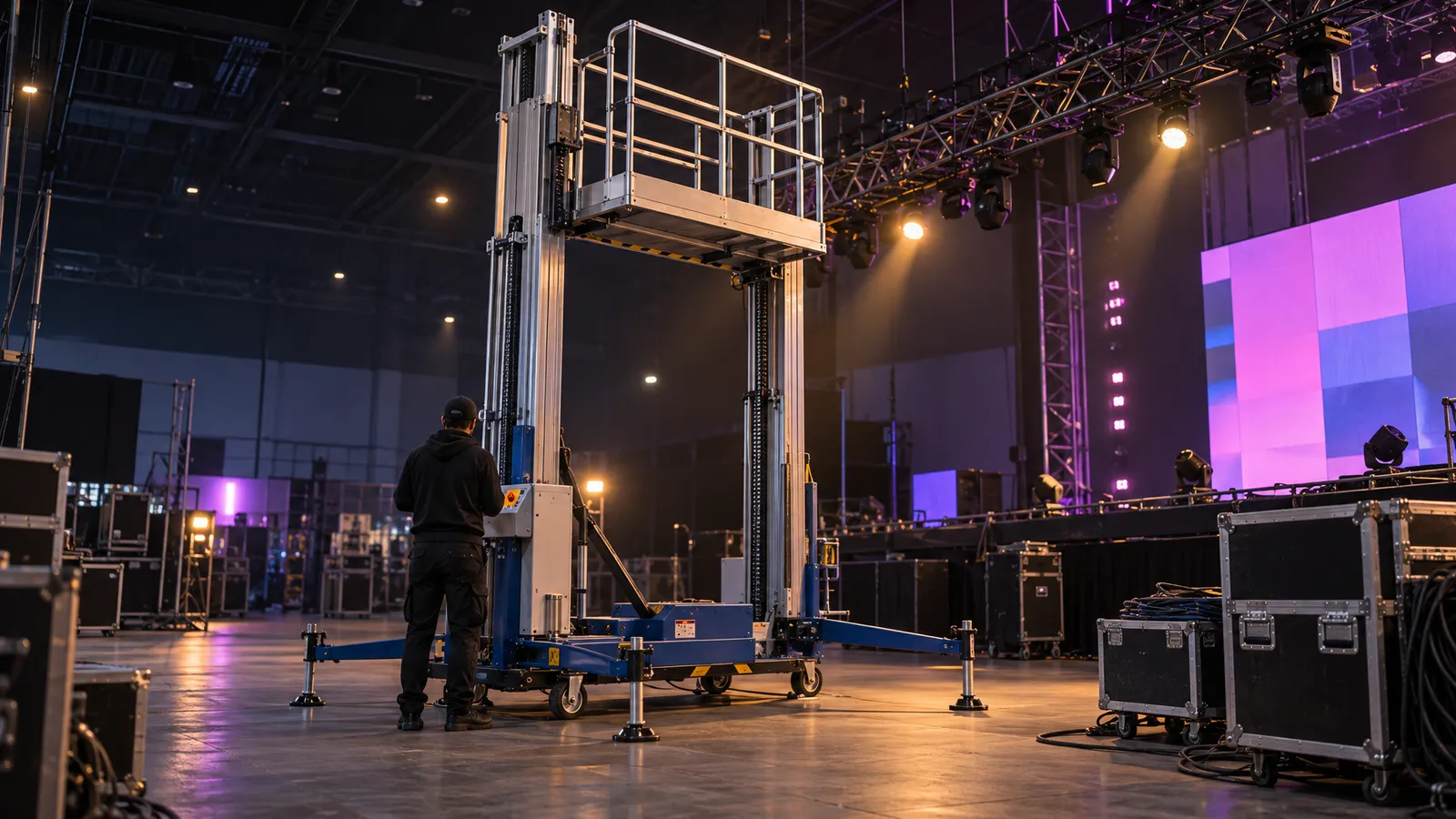
- Staging and structure: the Portable Stage Platform from $30, Aluminum H-Frame Truss from $10 and the Electric Lift Scaffold from $80.
- Effects and extras: the Haze Machine from $25, the Dry Ice Low-Fog Machine from $35, the Bubble Machine from $40 and the Interactive Photo Booth from $400.
Larger fixtures, consoles and effect units in the catalog are quoted per event rather than listed at a fixed price.
Support for Silicon Valley Tech Events
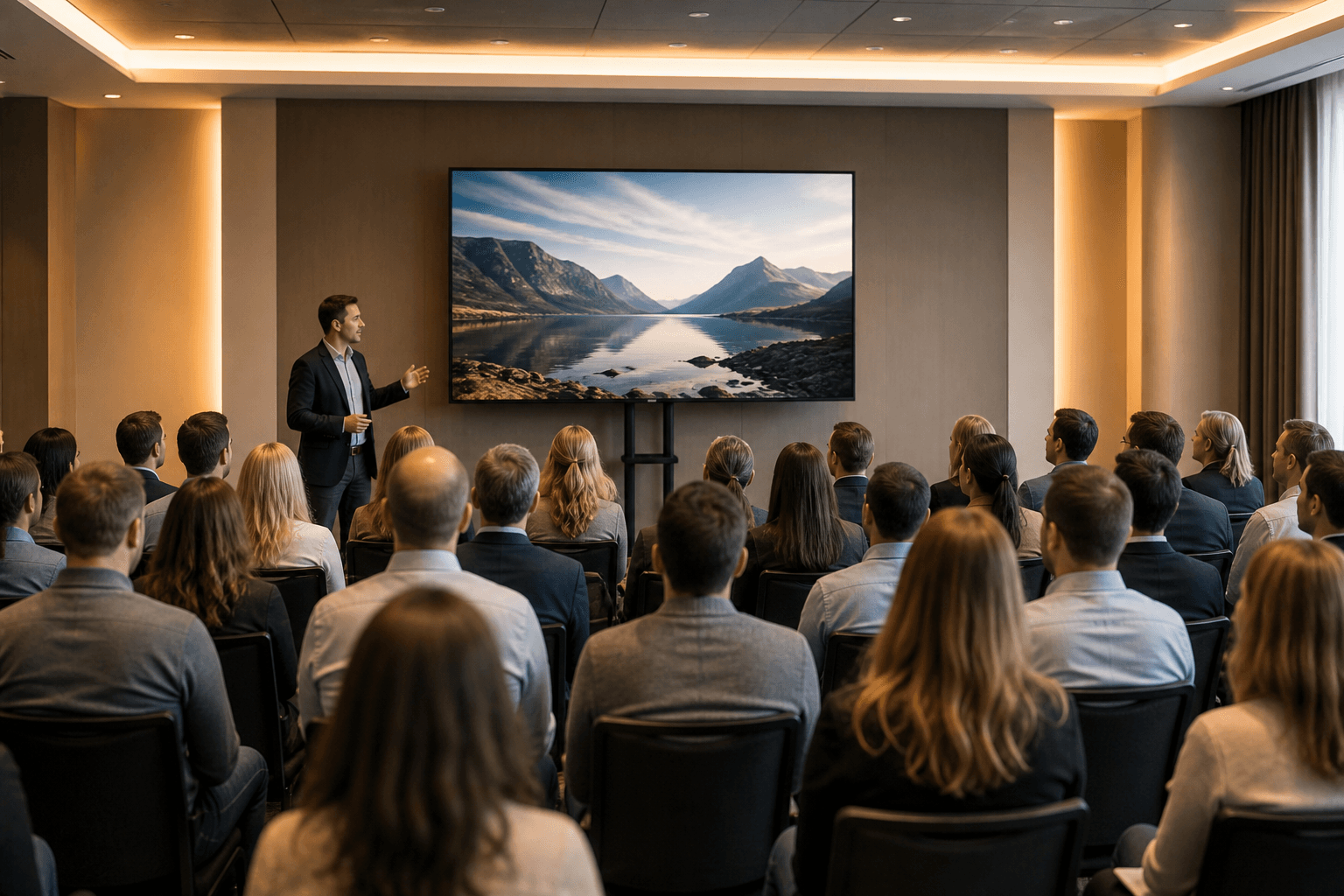
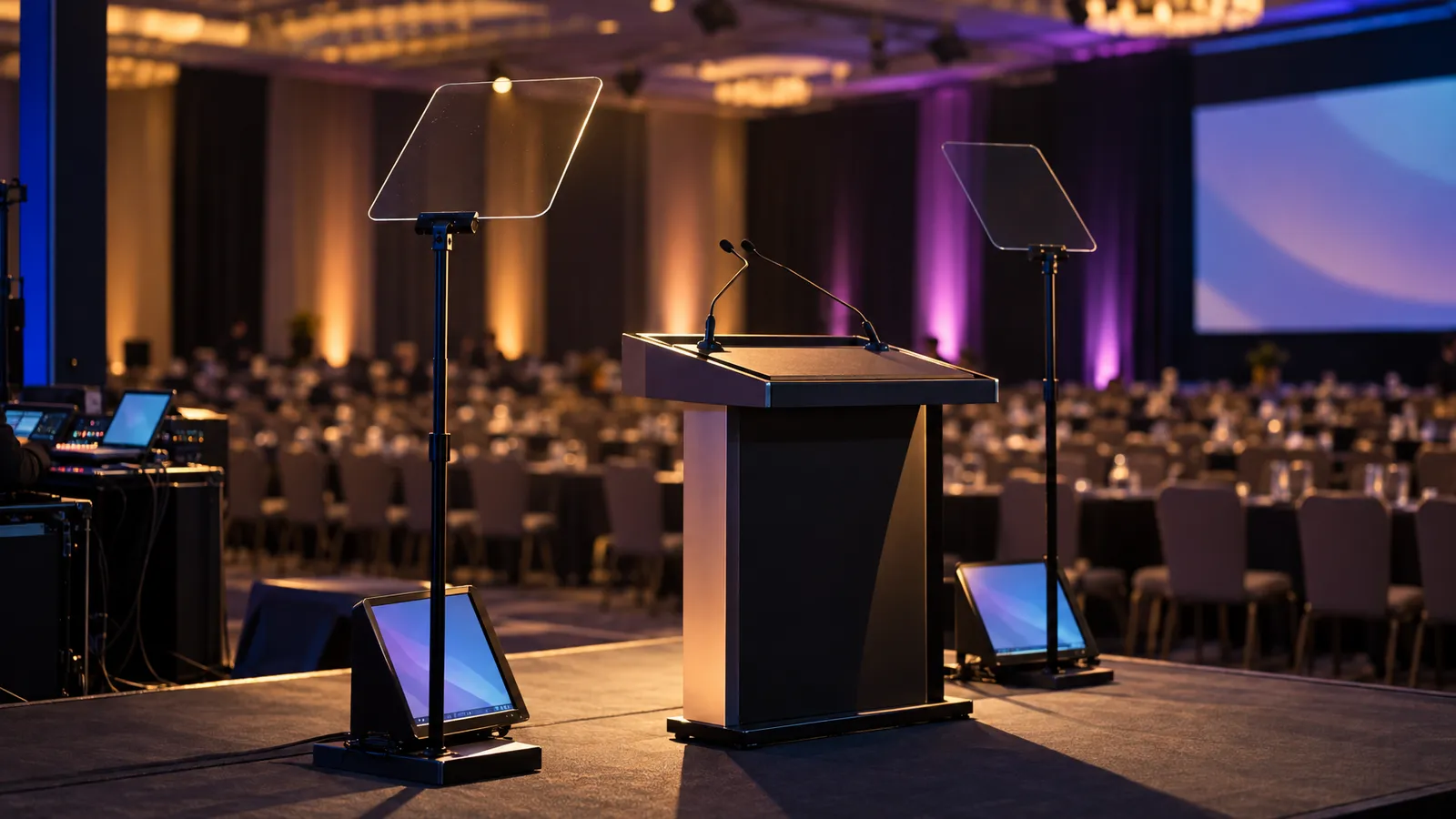
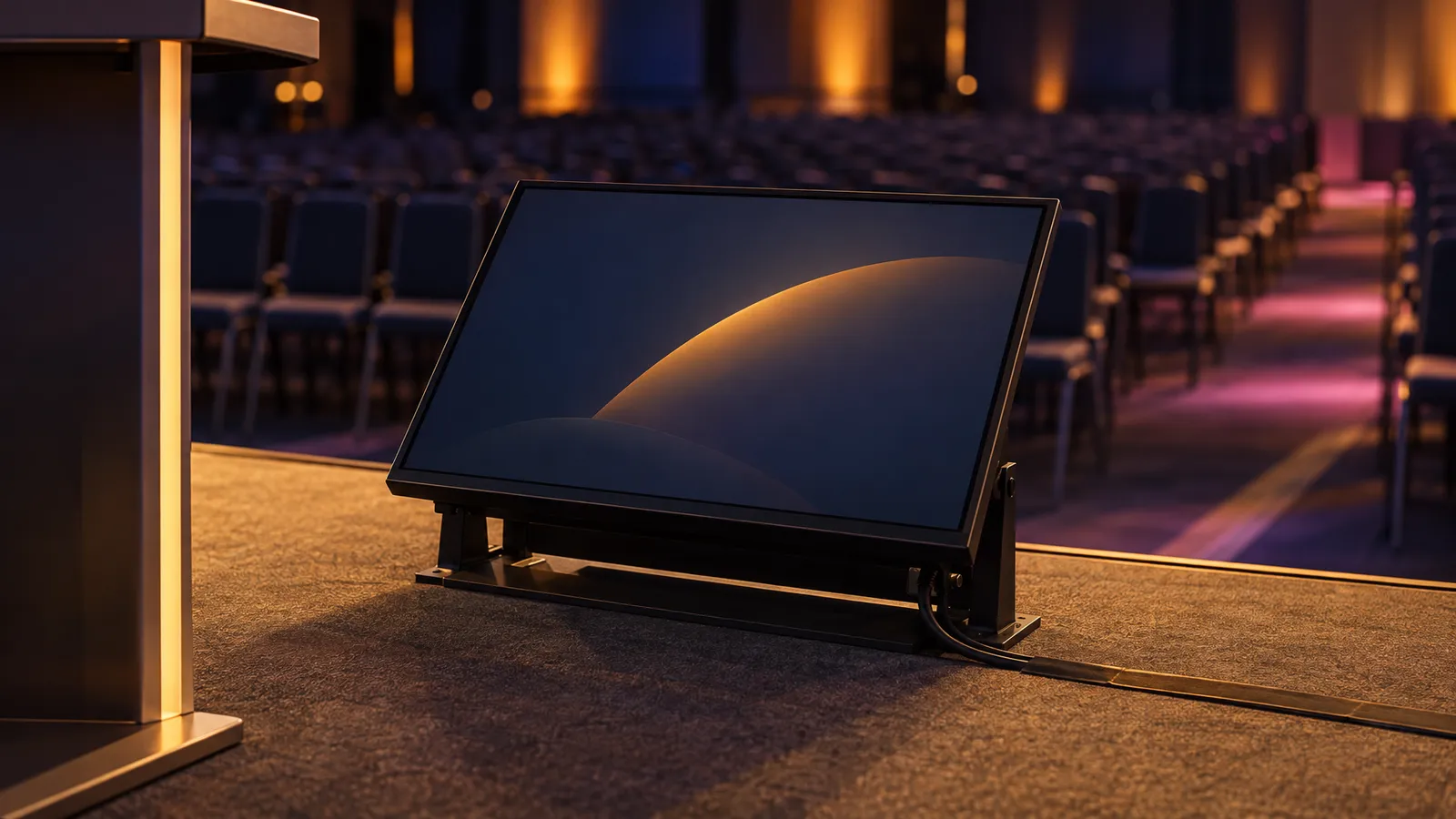
Product launches, developer conferences and all-hands meetings put a lot of weight on the screen and the presenter's mic. For these events the usual building blocks from our catalog are an LED wall or large LED TV behind the stage, a smaller LED TV on a floor stand as a confidence monitor facing the presenter, a wireless screen caster so speakers can switch laptops without crawling under the lectern, PA speakers sized to the room, and front light so presenters read clearly on camera. If your event is being filmed or streamed, cameras, switching and encoding are available from VENEGEEST on request, subject to availability, with a custom quote; if you already have a video production vendor, tell us who they are and we will plan the screen and lighting around them. For a deeper walk-through of a South Bay keynote spec, see our South Bay tech conference AV guide.
Santa Clara: What a Multi-Venue Event Looked Like
Our South Bay work includes the HYSTA 26th Anniversary Celebration and Annual Conference at the Santa Clara Convention Center on October 18, 2025. That event ran across three venues at once: a multi-screen LED display deployment, 24 to 30 professional lighting fixtures, and three independent sound systems. Our side of it was multi-venue coordination, rehearsal support and live technical management through the day. If your conference splits into a general session plus breakouts, the same approach applies: each room gets its own screen, sound and light plan, and one crew keeps them consistent so presenters move between rooms without surprises. For LED walls specifically in San Jose, see our LED wall rental in San Jose page.
How Renting Works: Deposits, Day Rates and Delivery
Bookings are confirmed in writing (email or a signed quote), and a quote request alone does not hold equipment. The terms that shape a South Bay rental:
- Deposit: a non-refundable deposit of 25% of the rental total secures the booking; the balance is due three business days before the event.
- Day rate: a daily rate covers a 24-hour period starting from delivery or pickup.
- Weekly rate: rentals of five or more consecutive days get a discounted weekly rate, useful for multi-day conferences and trade shows.
- Delivery, setup and technicians: scoped and quoted to your event. Standard setups need at least two hours; large productions need more.
- Self-pickup: collect and return at the South San Francisco warehouse during business hours with a valid ID and a signed rental agreement.
- Changes: tell us about order changes at least five business days before the event.
- Protection: an optional Equipment Protection Plan at 10% of the rental total covers accidental damage (excluding negligence and theft).
For more on what the day itself looks like, read what to expect when renting AV equipment.
Planning Power, Permits and Sound for South Bay Outdoor Events
Outdoor events in San Jose parks, plazas and courtyards bring questions that indoor ballrooms answer for you. Ask the venue these before you finalize the equipment list:
- Power: where the nearest outlets or power panels are, how many circuits you can use, and whether a generator is allowed. Send us the answers so the lighting and sound plan fits what is actually available.
- Sound limits and curfew: whether the venue or city has a sound level limit or a music cutoff time, so the PA is sized to the space and the program ends on time.
- Permits: which permits the event needs. Under our rental terms, venue-specific permits and approvals are the client's to secure, so start early.
- Effects: if you want cold spark, confirm with the venue and the local fire authority first. California Health and Safety Code 12505 classes titanium and zirconium spark material as dangerous fireworks, and some fire authorities prohibit cold spark devices entirely. When VENEGEEST's crew operates the machines, VENEGEEST holds the operating permits; if you rent them and operate them yourself, that responsibility, including the liability, is yours.
- Weather and ground: whether the ground is level, and what cover is available if it rains.
FAQ: South Bay Event AV Planning
How far in advance should I book AV equipment for a San Jose event?
Same-week delivery is available across the Bay Area for most items, subject to availability, so a short lead time is often workable. Ask about LED walls early so availability can be confirmed for your date. Keep in mind that the balance is due three business days before the event and changes need five business days' notice.
Do you deliver to San Jose and Santa Clara?
Yes. VENEGEEST serves San Francisco, San Jose and the South Bay, and the wider Bay Area, delivering from South San Francisco. Delivery is scoped and quoted to your event; self-pickup is also available.
How much does AV rental cost for a South Bay event?
It depends on the mix of sound, LED video, lighting and staging, whether you need technicians on site, and how long the event runs. Individual items start at the per-day prices listed above, for example $25 for a Full-Color LED Par, $200 for a Commercial PA Speaker and $200 for the LED Rental Screen. Send the venue, dates and run of show and you get a firm quote; see our AV rental cost guide for more.
Can I rent sound, screens, lighting and staging from one company?
Yes. VENEGEEST supplies all four, so one crew coordinates the setup instead of several vendors working around each other on site.
What size screen do I need for my room?
It depends on the room depth, the content and how far back the last row sits. Our guide on what size TV or LED wall to rent walks through the choice between LED TVs up to 120 inches and a configurable LED wall.