Stage Lighting Rental San Francisco: Pricing, Gear Specs, and Venue Guide
Stage lighting rental in San Francisco is priced per fixture per day, so the total depends on fixture count, automation needs, and venue size. At VENEGEEST, a Full-Color LED Par Light is $25 per day, a 380W Beam Moving Head $50, a Followspot Light $80 and a Haze Machine $25, so eight pars come to $200 in equipment, while a larger combination of twelve pars, four beam moving heads and two haze machines adds up to $550 before console, truss, delivery and setup. Below you'll find the fixture types, worked price examples, questions to settle with your venue, and answers to common booking questions.
Stage Lighting Equipment: Fixture Types and Technical Specs
Stage lighting rentals fall into five core fixture categories, each solving a different production need:
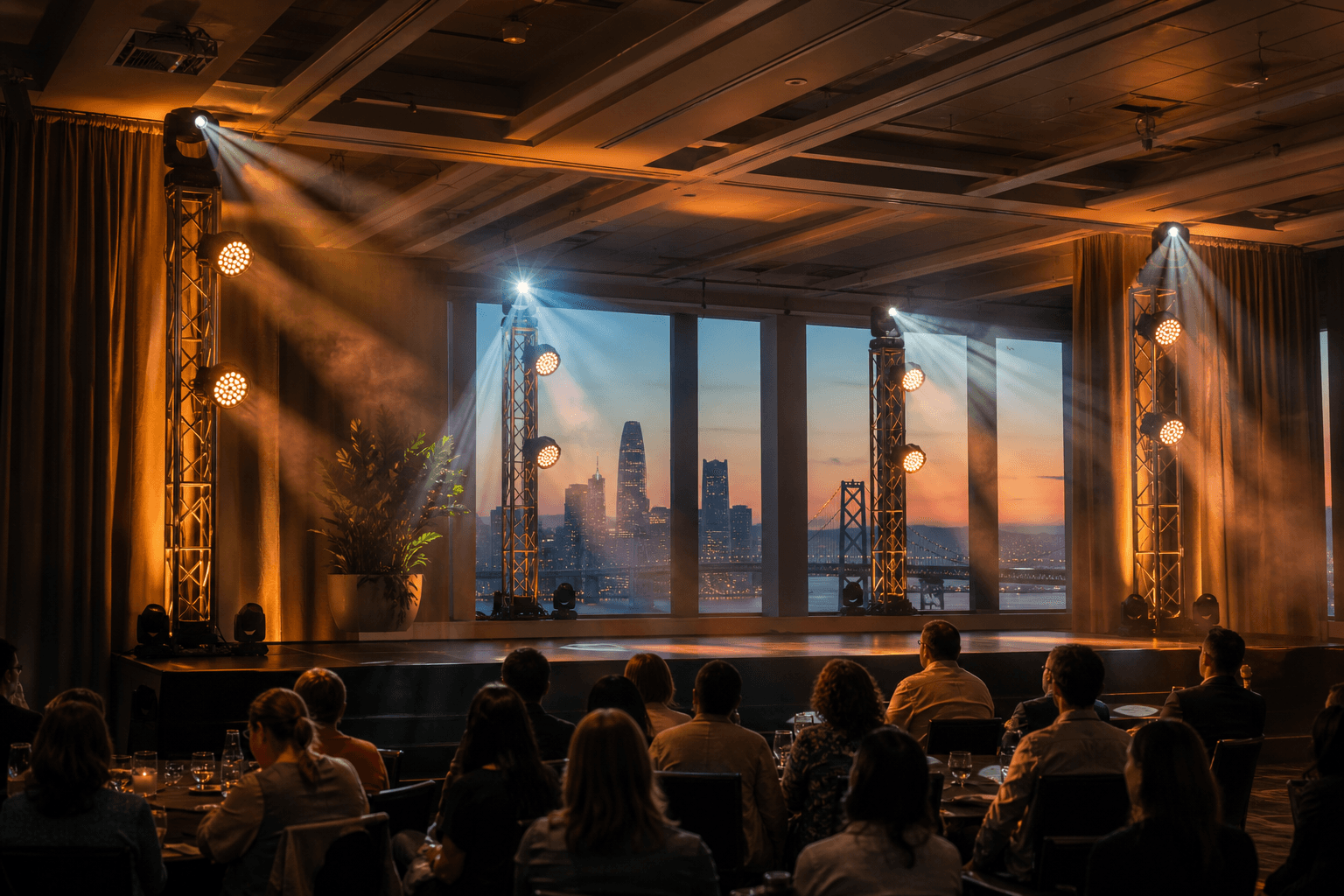
1. LED Par Lights (uplighting and stage wash): RGBW LED pars wash a backdrop or wall with even color. VENEGEEST's Full-Color LED Par Light (18-LED RGBW) rents for $25 per day. Battery uplights avoid power cable runs to each fixture; VENEGEEST's wireless battery uplights are listed with a 12–15 hour battery and wireless DMX, come in both IP20 and IP65 variants, and are quoted.
2. 380W Beam Moving Heads: A beam moving head throws a tight, concentrated beam that it can pan and tilt, commonly under DMX control for cued moves, so it is an effect light rather than a broad wash. VENEGEEST's 380W Beam Moving Head is a 380W concentrated beam with DMX control; moving heads are typically mounted on truss. Rental cost: VENEGEEST's 380W Beam Moving Head is $50 per day.
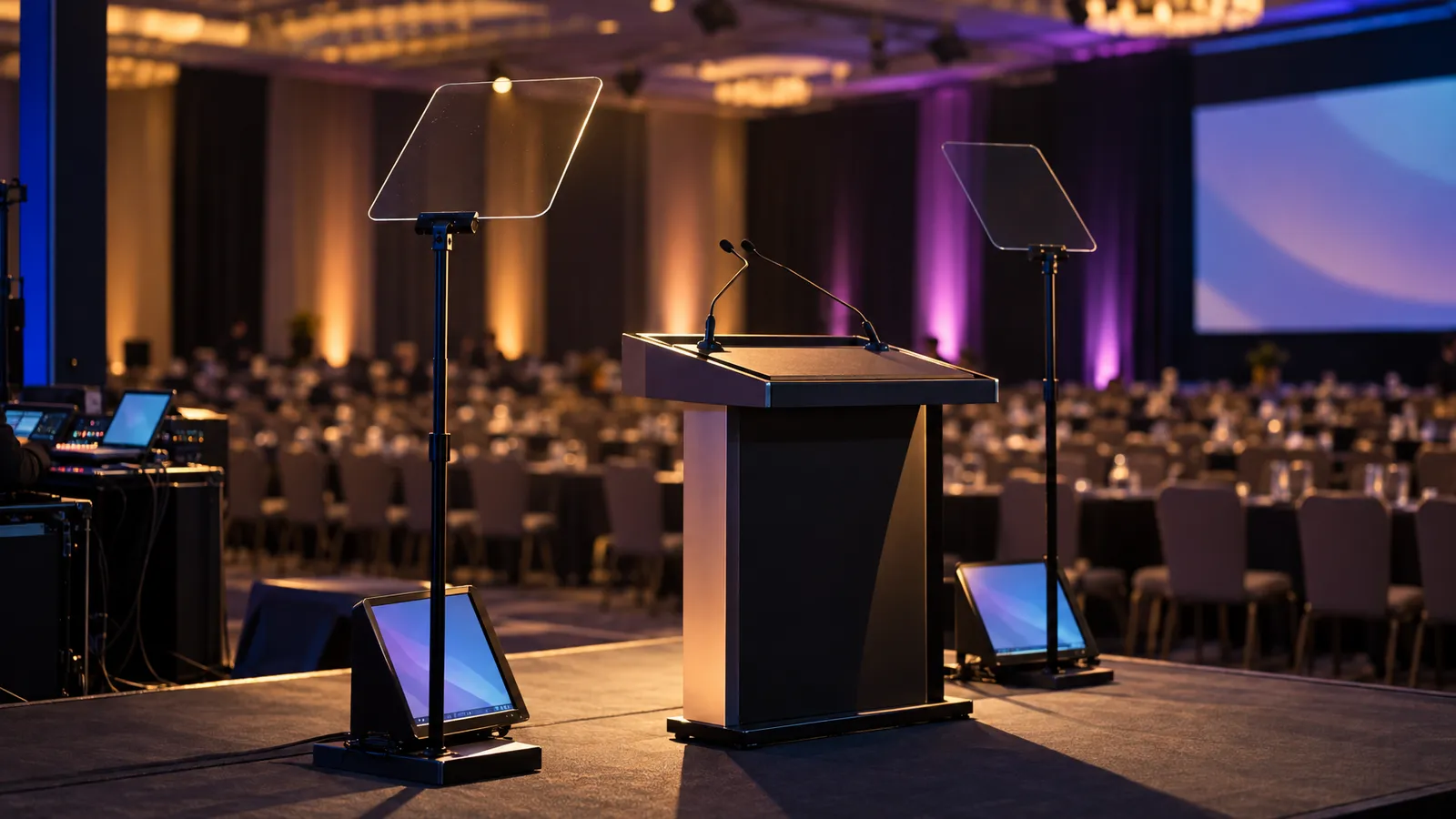
3. Followspots (manual spotlight tracking): An operator aims the light by hand to follow a speaker or performer who moves around the stage, which is why followspots turn up at award ceremonies, keynotes and theater. VENEGEEST's Followspot Light (330W–440W manual) rents for $80 per day; an operator is scoped and quoted to your event.
4. Atmospheric Effects (haze machines): Haze makes light beams visible in the air. How fast it fills a room and how long it hangs depends on the room's size and air handling, and whether you may run it at all is up to the venue (see the haze notes below). VENEGEEST's 1000W Haze Machine rents for $25 per day.
5. Lighting Controllers (DMX boards): One DMX universe carries 512 channels, and a controller runs scene presets and chase sequences across the rig. VENEGEEST's lighting control consoles run from compact controllers through grandMA2, Avolites Tiger Touch and Quartz tiers, and are quoted per event.
Pricing Table: Stage Lighting Rental Packages for SF Bay Area Events
Here's how some example combinations add up from VENEGEEST's published day rates. They are price arithmetic, not lighting designs: how many fixtures a room needs depends on its size, mounting positions and what you want to light. These are equipment day rates only: a daily rate covers 24 hours from delivery or pickup, rentals of 5 or more consecutive days get a discounted weekly rate, and delivery, setup, technician services and any overtime are scoped and quoted to your event. Items without a published price (consoles, most moving-head variants, battery uplights) are quoted.
Example 1: Uplighting
| Item | Qty | Day rate | Line total |
|---|---|---|---|
| Full-Color LED Par Light | 8 | $25 | $200 |
| or wireless battery uplights | 8 | Quote on request | Quote on request |
| Equipment | $200/day with 8 LED pars |
Typical uses: wedding receptions, small galas, ambient venue lighting.
Example 2: Presentation Stage
| Item | Qty | Day rate | Line total |
|---|---|---|---|
| Full-Color LED Par Light (stage wash) | 4 | $25 | $100 |
| Followspot Light (speaker tracking) | 2 | $80 | $160 |
| DMX console | 1 | Quote on request | Quote on request |
| Aluminum H-Frame Truss | Listed at $10 | ||
| Equipment | From $260/day plus console and truss |
Typical uses: keynote speeches, product launches, awards ceremonies.
Example 3: Larger Stage Rig
| Item | Qty | Day rate | Line total |
|---|---|---|---|
| Full-Color LED Par Light (full stage wash) | 12 | $25 | $300 |
| 380W Beam Moving Head (beam effects) | 4 | $50 | $200 |
| Haze Machine | 2 | $25 | $50 |
| DMX console and truss | 1 | Quote on request | Quote on request |
| Equipment | From $550/day plus console and truss |
Typical uses: music sets, galas, stage shows with beam effects.
Example 4: Performance Stage
| Item | Qty | Day rate | Line total |
|---|---|---|---|
| Full-Color LED Par Light (multi-zone stage wash) | 16 | $25 | $400 |
| 380W Beam Moving Head (beam effects) | 6 | $50 | $300 |
| Followspot Light (operators scoped and quoted to your event) | 2 | $80 | $160 |
| Haze Machine | 2 | $25 | $50 |
| DMX console with show programming | 1 | Quote on request | Quote on request |
| Equipment | From $910/day plus console, truss and operators |
Typical uses: theater productions, galas, multi-act performances.
VENEGEEST designs the rig around your event's scenario and requirements, and labor (delivery, setup, programming, day-of operation, strike) is scoped and quoted to your event based on your venue and schedule. Browse the catalog and request a custom quote for Bay Area event lighting, or see our event lighting rental service in San Francisco.
Questions to Settle with San Francisco Venues
Different Bay Area venue types raise different questions. None of what follows is a fixture count for a particular venue; take the answers to your lighting provider so they can propose a plan for your room:
Palace of Fine Arts (outdoor + indoor hybrid venues)
At a site with both indoor and outdoor areas, ask which areas you may light, where fixtures may stand, what power is available in each area and whether anything may be attached to the architecture. Decide what you want to light — a stage, columns, a backdrop — before choosing fixtures: wash lights such as pars cover an area with color, while beam moving heads are effect lights. If battery uplights will go outside, choose a variant whose rating and manual allow that use.
SOMA Conference Centers (tech events and product launches)
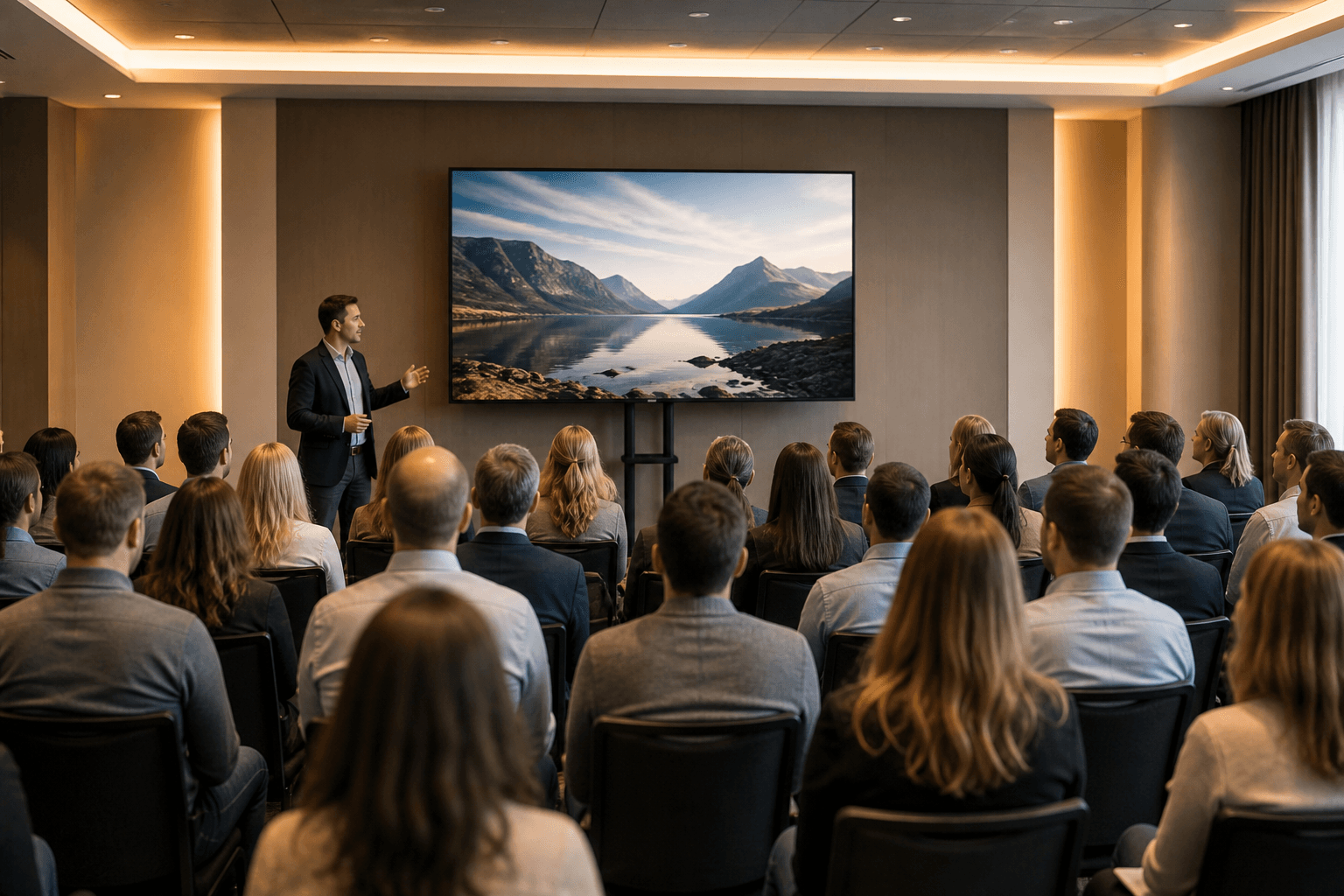
Ask the venue whether it has rigging points and what power it can make available. Ask whether the room has its own stage lighting you can use, and tell your provider how the speakers will move so they can advise whether you need followspots and how many. Pre-programming DMX scenes (house lights → keynote → Q&A → exit music) cuts down on manual cueing during transitions.
The Fillmore and Independent (concert venues)
Concert venues may have in-house lighting rigs. Ask the venue whether its board is available to you or whether you need to bring your own controller, and whether haze is allowed.
Historic Theaters (Castro Theatre, Curran Theatre)
Historic theaters may have union labor rules for rigging, focus, and programming, so ask the venue who is allowed to install rented gear before you plan crew. Ask as well what house lighting is available, so you rent only what fills the gaps. Raise these questions with the venue well before the event.
Outdoor Parks and Courtyards (Golden Gate Park, Yerba Buena Gardens)
Outdoors, ask the site what power it provides, what may be set up (stands, towers or truss, and how they must be weighted or secured) and what permits apply. Check every fixture's rating and its manual's environmental limits before it goes outside — an IP rating describes protection against dust and water, not every weather condition — and plan cover or a weather call for rain and wind. If the site has no power, you will need a generator; plan it with the venue or a power vendor. Haze outdoors drifts with the wind, so treat it as optional and ask whether it is allowed. Battery uplights with a 12–15 hour battery avoid cable runs for perimeter lighting.
How to Book Stage Lighting for Your San Francisco Event
Follow these steps to secure the right lighting package and avoid last-minute surprises:
1. Define your event type and lighting goal. Are you highlighting a speaker? Creating ambient color for a gala? Adding dynamic movement for a concert? Your goal determines fixture selection. Presentations often center on lighting the speaker; weddings often use uplighting and color washes; concerts often add moving heads and programmed effects.
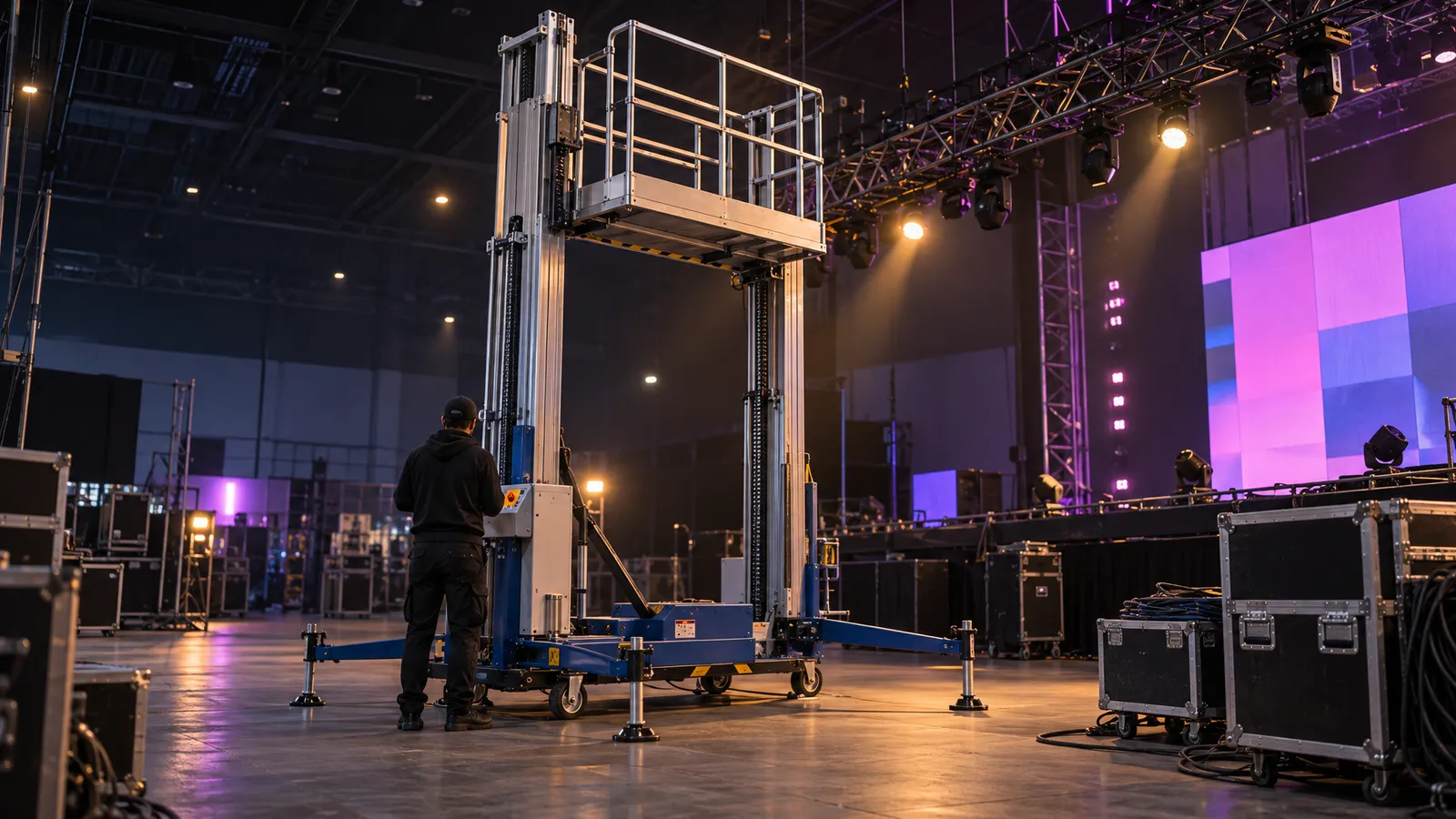
2. Measure your venue. Note ceiling height, stage dimensions, power supply locations and what voltage and circuits the venue can make available, and load-in access (elevator? stairs? loading dock?). Share these details with your rental provider—they'll recommend fixture counts and placement.
3. Request an itemized quote. Ask for per-item pricing (not just a package total) so you can add or remove fixtures based on budget. Confirm what the quote covers: cables? stands? truss? controller? Programming? Delivery and setup labor?
4. Confirm your date. Availability is confirmed for your date when you request a quote, and same-week delivery is available for most items. If a historic theater has union labor rules, allow extra time to coordinate.
5. Schedule a pre-event walkthrough. Visit the venue with your AV provider ahead of the event, early enough to change the plan. Confirm power access, rigging points, and sight lines. This is when you catch problems (circuit overload, obstructed truss positions) before load-in day.
6. Plan for setup time. VENEGEEST's terms set a minimum of 2 hours for standard setups and note that large-scale productions may require additional time, so agree the setup and teardown windows for your rig in the quote. If your venue has a hard out time (a midnight curfew, say), factor teardown into your event timeline.
Request a stage lighting quote for your San Francisco event, or call (415) 890-5555.
Common Mistakes to Avoid When Renting Stage Lighting in SF
1. Underestimating power requirements. A concert rig with moving heads and haze machines can draw more than a single 20-amp circuit supplies. Check your venue's electrical capacity before booking. If power is limited, battery-powered uplights run from their own batteries during the event, or generator power can be planned with the venue or a power vendor.
2. Not deciding about haze. A beam shows up in the air when there are particles for it to light; in clear air you mostly see where the beam lands. If you are renting beam moving heads for their mid-air look, decide early whether you want haze and ask the venue whether it is allowed and how its smoke detectors will be handled. VENEGEEST's Haze Machine is $25/day; if haze is not permitted, plan the look around beams on walls, the stage and the floor.
3. Overlooking venue labor rules. Some theaters and convention centers require their own or union crews for rigging and operation. Ask the venue before you plan crew, and budget for it if it applies.
4. Placing fixtures where they obstruct views. Keep truss towers and uplights out of walkways and sight lines. Do a pre-event walkthrough and mark fixture positions with tape before load-in day.
5. Forgetting about load-in time. VENEGEEST's terms set a minimum of 2 hours for standard setups, and larger productions may need more. Compare the setup window your quote calls for with the time between the venue's opening and your start; if it does not fit, ask for earlier access or simplify the package.
6. Not programming DMX scenes in advance. Cueing everything by hand during an event makes missed cues and pauses more likely. Pre-program the scenes the program needs (for example house lights, keynote, awards, dancing, exit) so each change is a single cue. It takes programming time up front and leaves less to do by hand on the day.
FAQ: Stage Lighting Rental in San Francisco
How much does stage lighting rental cost in San Francisco?
At VENEGEEST's day rates, eight Full-Color LED Par Lights are $200 per day; a corporate setup with 4 pars and 2 followspots is $260 plus console; a concert rig with 12 pars, 4 beam moving heads and 2 haze machines is $550 plus console and truss. Delivery, setup, operation and strike are scoped and quoted to your event.
How far in advance should I book stage lighting for a San Francisco event?
Availability is confirmed for your date when you request a quote, and same-week delivery is available for most items across the Bay Area. If your venue requires union crews, allow extra time to coordinate them.
Do I need a lighting technician on-site during my event?
For rigs with moving heads, followspots or programmed DMX scenes, plan on one. Technician time is scoped and quoted to your event; a booked technician can handle fixture adjustments, scene transitions and troubleshooting. Whether a basic uplight package can run without an operator depends on how it is set up and controlled, so ask when you quote; if no technician is booked, have someone on your own team ready to deal with power issues or a fixture fault.
What's the difference between LED pars and moving head lights?
LED pars are static fixtures that wash a wall or stage with color; they're compact, available in battery-powered versions, and VENEGEEST's Full-Color LED Par is $25/day. Moving heads are automated fixtures with pan/tilt motors and effects like color mixing and gobos; they are often mounted on truss and commonly run from a DMX controller for coordinated cues, though whether a model also has standalone or remote modes depends on the exact fixture. VENEGEEST's 380W Beam Moving Head is listed with DMX control and is $50/day. Use LED pars for ambient uplighting; use moving heads for dynamic effects and spotlighting.
Can I use stage lighting outdoors in San Francisco?
Yes, with fixtures rated and approved for the conditions and a power source. Check each fixture's IP rating and its manual's operating limits (an IP rating covers dust and water ingress, not every weather condition), plan protection from rain and wind, and ask the site what power it provides; if it provides none, you will need a generator; plan it with the venue or a power vendor. Stands, towers or truss must be set up and secured as the site and the equipment instructions require. VENEGEEST's catalog lists IP-rated options such as IP65 battery uplight variants and the Outdoor IP67 Sky Laser; some uplight variants are IP20, so confirm the variant.
Do San Francisco venues have in-house lighting, or do I need to rent everything?
It varies by venue. Some concert venues and theaters have in-house rigs; ask whether they're available to you and on what terms. Other rooms may have little show lighting, in which case you may rent everything from uplights to followspots to controllers. Ask each venue what it has before you build a rental list.
What's a haze machine, and do I need one?
A haze machine puts a fine, even haze into the air so light beams become visible along their path. Haze fluid depends on the machine: Rosco, for example, describes its Hazemaker as using a glycol-based fluid, as distinct from mineral-oil haze machines, so use the fluid the manual for the exact machine specifies. VENEGEEST's 1000W Haze Machine rents for $25 per day. Haze is optional: ask the venue whether it is allowed and how its smoke detection will be handled, and follow any conditions it or the fire authority sets. Without haze, beam fixtures still project color and patterns onto surfaces.
How much power do stage lights require?
Use each fixture's rated input from its manual or nameplate (not the wattage in its product name, which may describe only the light source), total it for the fixtures on each circuit, and have the venue's electrician or a qualified power-distribution plan set how much each circuit may carry. A rig with several moving heads and a haze machine can need more than one circuit. Ask each venue what voltage and circuits it can make available rather than assuming. If circuits are limited, battery-powered uplights run from their own batteries during the event, or generator power can be planned with the venue or a power vendor.